X
This site uses cookies only for analytics. By continuing, you consent to their use.
Find out more
.
I agree
×
SEARCH
A Safe Place to Explore
Questions About Life and God
Find Life
|
Find God
|
Relationships
|
Life’s Challenges
|
Spiritual Qs
Find Life
Find God
Relationships
Life’s Challenges
Spiritual Qs
Audio Articles
Free Series:
Spiritual Adventure Pack
Knowing God Better
Ask a Question!
Other Languages
Home
×
Find God
Be Amazed by the Kindness of God
Here’s how you can experience God’s kindness in your life…
How to Know God Personally
How you can begin a personal relationship with God.
Is There a God?
Six straightforward reasons to conclude that God exists.
Beyond Blind Faith
Is Jesus God? Brief article gives you these reasons to believe…
Six Reasons God is Real
If you’ve ever asked “Does God really exist?” … this video is for you.
Knowing God Personally
Video: How you can begin a personal relationship with God.
Free Email Series: The Spiritual Adventure Pack
How does a rational person arrive at having faith in God? See this…
Joel’s Story – South Korea
Video: How he found a new identity
Finding the Ideal God
If you were to imagine the ideal God, see if this is close to what you'd want…
Free Email Series: Knowing God Better
Curious what God has to say about life?
Scientific Evidence of God
Video: Dr. Francis Collins, Director of the Human Genome Project
Who Was Jesus?
A quick look at the life of Jesus Christ, excerpts from the Bible.
How Does a Rational Person Believe in God?
A former atheist explains the logical thinking that leads a person toward God…
The Fine-Tuning of the Universe
Video: Explores possibilities for how our precise, finely-tuned universe came to be.
Was There Ever Nothing?
Is it possible that everything came from nothing?
Three Arguments for the Existence of God
Video: A 4-minute answer to "Does God Exist?"
Scientists Baffled by Laws of Nature
Scientists can't explain why the laws of nature are so constant. See what you think…
Who Is God? What Is God Like?
Seven personality traits of God that we can rely on…
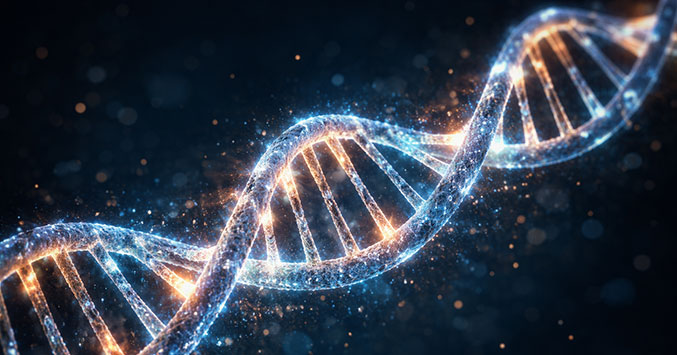
Is God Real?
How the DNA code remarkably points to a real God.
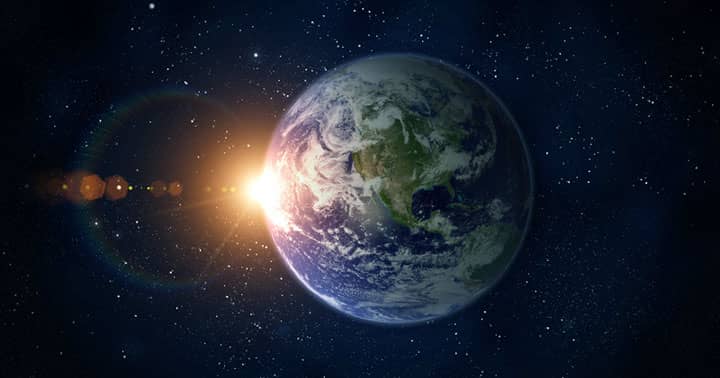
Did God Create the Universe?
Scientists are in agreement about how our universe began…
SHARE THIS PAGE
Want to ask a question?
Listen to Articles
Spiritual Adventure Pack
See God in the Gospel of John
Get Our Free
Every Student App
Visit Us
:
Facebook
·
Instagram
·
Twitter
►
Other Languages
►
Share This Site
►
Audio Articles
Find Life
|
Find God
|
Relationships
|
Life’s Challenges
|
Spiritual Qs
Find Life
Find God
Relationships
Life’s Challenges
Spiritual Qs
Audio Articles
Free Series:
Spiritual Adventure Pack
Knowing God Better
Ask a Question!
Other Languages
Home
×
 SEARCH
 SEARCH